


August 1, 2026
Source: Reuters
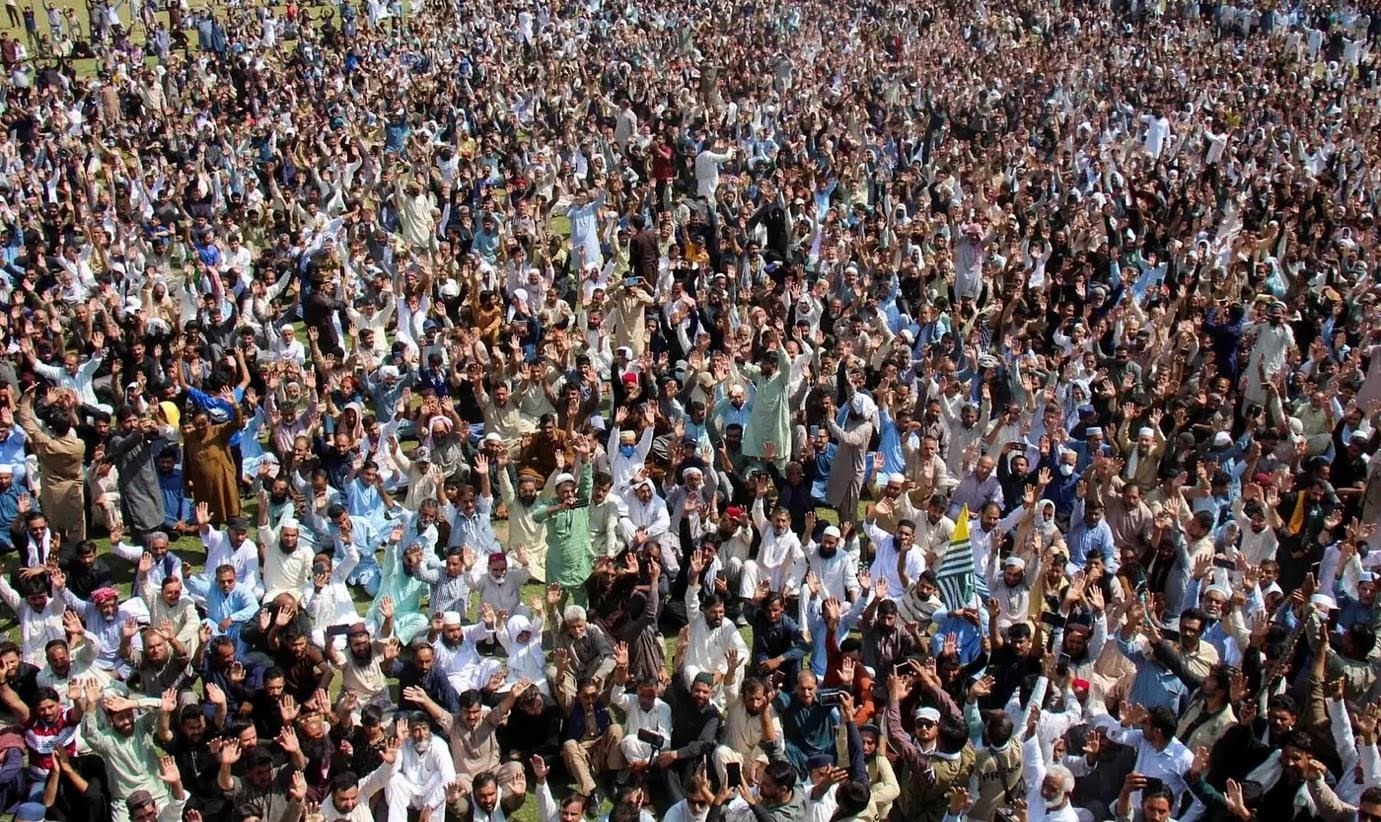
In June, Azad Jammu and Kashmir (AJK) erupted in a wave of protests and violence. The Pakistani state imposed a severe communication shutdown in response, including an internet blackout that cut the region off from the rest of the world, and began carrying out mass arrests alongside dozens of casualties.
Source: Human Rights Watch
The Jammu Kashmir Joint Awami Action Committee (JAAC), the movement behind the protests, is made up of traders, lawyers, students, and civil society groups, and has organized strikes and demonstrations calling for economic reforms, accountability, and greater local decision-making.
One of the key economic concerns was over the allocation of resources. For decades, Azad Kashmir has generated electricity for Pakistan through its rivers, yet locals say they have received only a fraction of the financial benefits compared to Pakistan’s provinces. This has fueled widespread frustration over economic inequality, political representation, and local governance. Additionally, sharp increases in flour prices since 2023 have also added fuel to the protestors’ grievances.
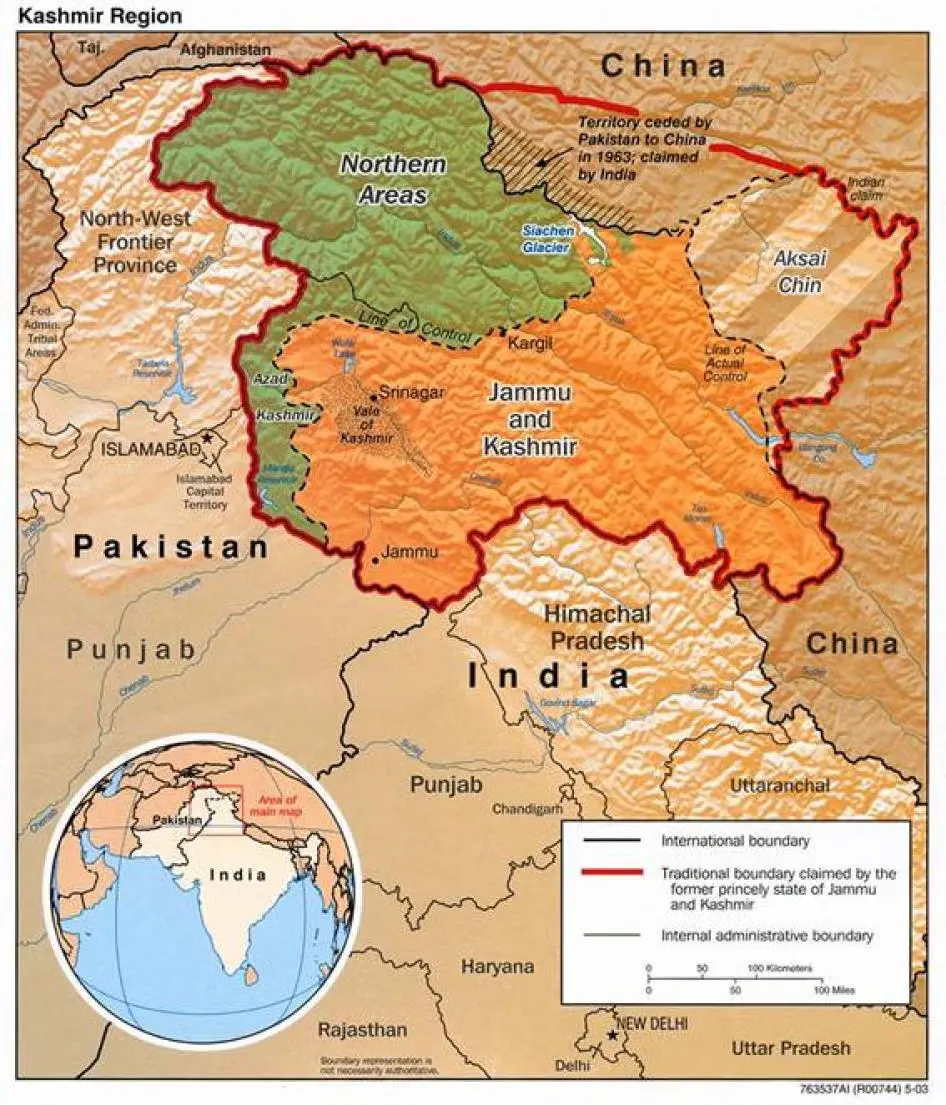
The JAAC has a list of demands consisting of 38 points. One of its key demands is the removal of 12 reserved seats in the Azad Jammu and Kashmir Legislative Assembly. While 33 of the Assembly’s 45 elected seats are chosen by voters living in AJK, the other 12 are elected by refugees from indian-occupied Kashmir (IOK) who live across Pakistan.
The 12 reserved constituencies are made up of approximately 439,000 registered voters, scattered across Pakistan, in cities like Lahore, Rawalpindi, and Sialkot, rather than within Azad Kashmir.
Join The Writer’s Circle event
“Those seats are weaponized and used as a way for people from Pakistan to effectively have more power in AJK. Those who take these seats come from mainland Pakistan with Pakistani interests. It isn’t about Kashmiris from IOK. Rather, it’s about increasing the influence Pakistan has in AJK legislation,” said a local Kashmiri from AJK, in a statement to StandWithKashmir.
The Pakistani government argues that resolving the issue of the 12 refugee seats would require a constitutional amendment and hence cannot be resolved immediately.
On June 5, the JAAC, was branded a terrorist organization and banned under the anti-terrorism act by the local government, days before a planned demonstration.
Human rights organizations such as Amnesty have issued a statement against the communications shutdown and use of lethal force by the Pakistani state. Since early June, at least 40 people have been killed in clashes between protesters and police/army personnel, with sit-ins and road blockades regular features in the region over this period.
Banks remained shut for two weeks. Mobile and internet services remain suspended across most of the territory. Poonch division, which borders indian-occupied Kashmir has been the epicentre of the unrest, was effectively sealed off for weeks, disrupting the supply of flour and other essentials to a region that depends heavily on them.
Meanwhile, both Pakistani and indian media have framed the unrest through their respective political narratives. Earlier this week, Pakistan Information Minister Attaullah Tarar said the protests were not peaceful but violent, alleging the involvement of militant elements pursuing a foreign agenda and backed by indian funding.
JAAC’s stance has remained that its movement is focused on local governance and economic grievances and rejects allegations that it is acting on behalf of india.
On July 31, protesters rallied in Lahore and Islamabad in solidarity with the people of AJK. The state retaliated by detaining several of the activists.
Pakistan and india share similar tactics when subverting Kashmir- both immediately jumping towards allegations of terrorism as soon as Kashmiris demand their rights, as well as blaming one another for unrest in Kashmir when it is their own negligent policies which have created the situation at hand. In the end, neither care for the people of Kashmir and their feud obscures the plight of Kashmiris themselves.
Stay in touch with Stand with Kashmir.
Stand With Kashmir (SWK) is a Kashmiri-driven independent, transnational, grassroots movement committed to standing in solidarity with the people of indian-occupied Kashmir in ending the indian occupation of their homeland and supporting the right to self-determination of the pre-partition state of Jammu and Kashmir. We want to hear from you. If you have general inquiries, suggestions, or concerns, please email us at info@standwithkashmir.org.
Leave a Reply