



June 16, 2026
https://www.instagram.com/p/DZqQKjcjM34/?igsh=djZ5dGdrNDJqaTY2
In recent years, there has been a rapid upsurge in the number of non-Kashmiri celebrities and influencers who travel to Kashmir and market it as a region that is ‘heaven on earth.’
Kashmir is one of the world’s most militarized regions, with approximately 700,000 soldiers stationed in the Valley (roughly one soldier for every 10 Kashmiris) and checkpoints on nearly every corner. When a passing glance is all one needs to confirm this reality, how, then, do foreign influencers so brazenly claim that the Valley is “peaceful” and a “heaven on earth”?
Influencers like Dubai Bling star Safa Siddiqui and Japanese travel vlogger Sho Takei travel to Kashmir and point their cameras towards the scenic beauty and the traditional food, while strategically rendering the indian occupying soldiers invisible.
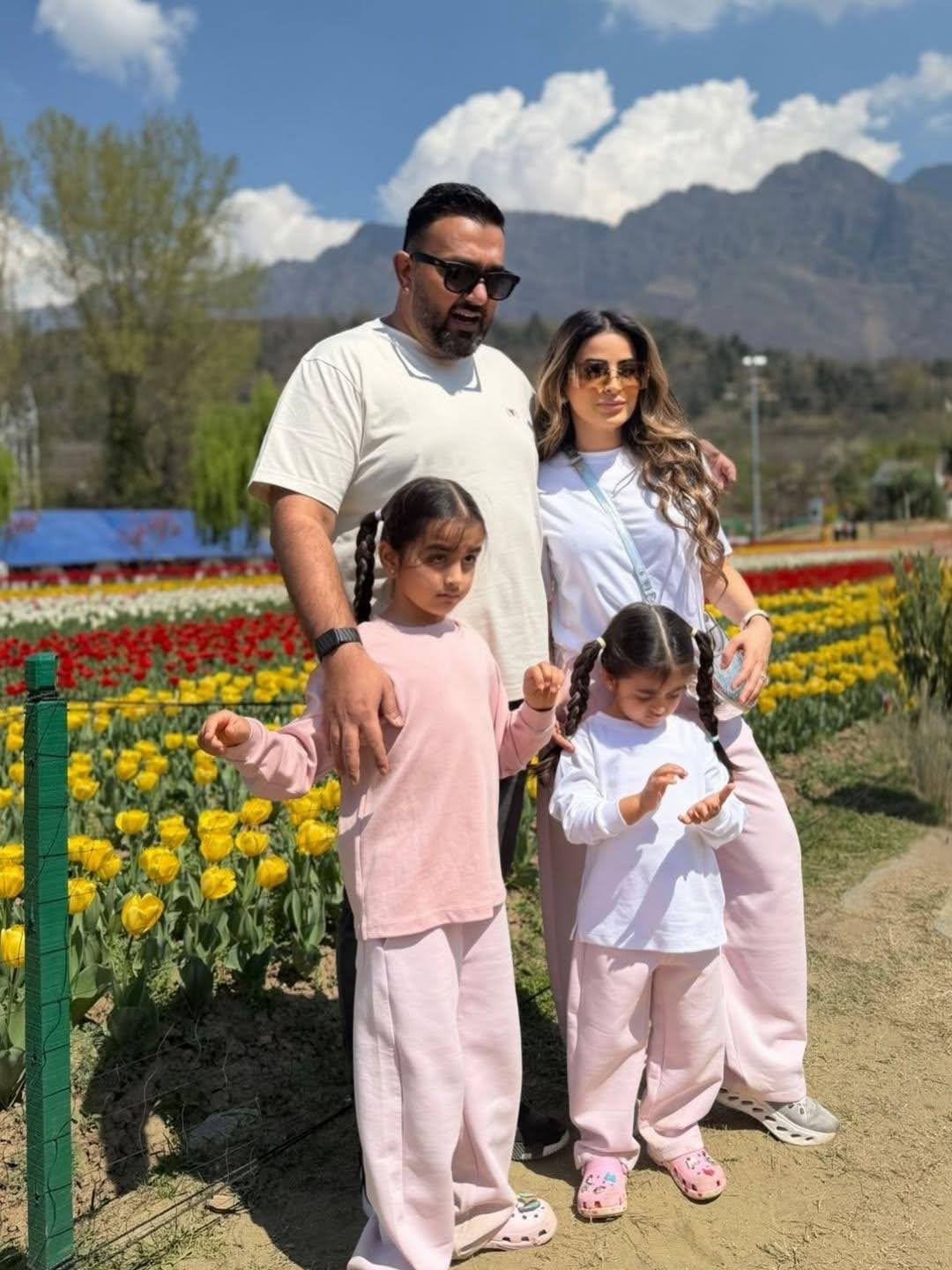
Source: Instagram/safa_dubai
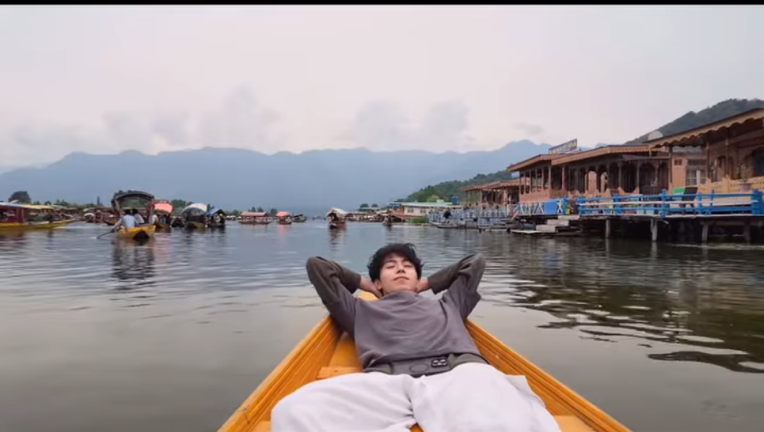
Source: Instagram/sho.the.world
For example, Lina Adamova, a Russian influencer who initially gained popularity by documenting her travels across india, eventually began posting content about Kashmir. In these posts, she relied on the same language often used by Indian colonizers, describing Kashmir as “heaven on Earth,” placing the indian flag next to Kashmir to emphasize it as an indian territory.
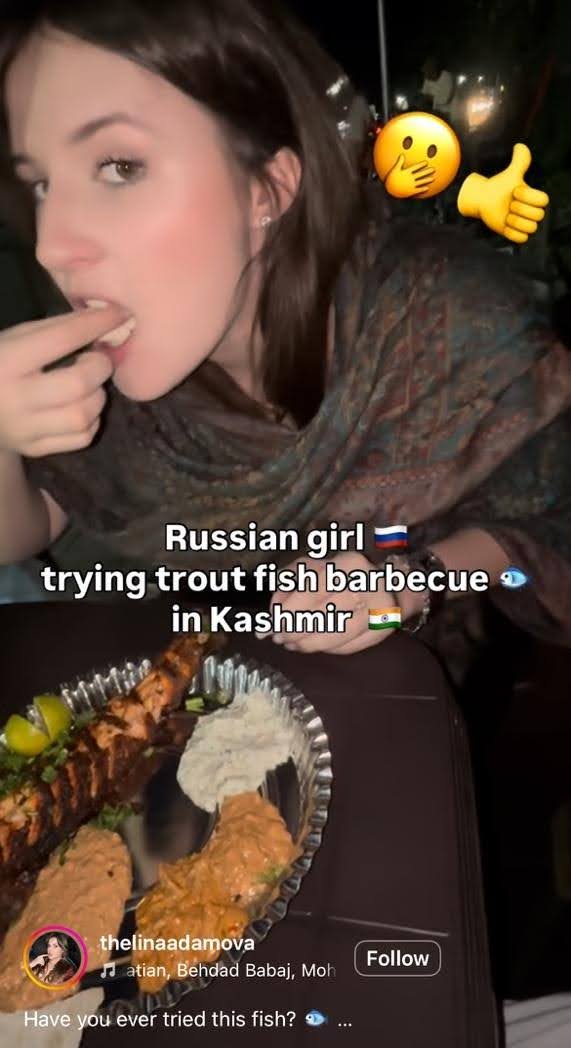
She also appropriates Kashmiri identity by calling herself a “Russian girl, Kashmiri soul” while wearing Kashmiri shawls and eating Kashmiri food.
In another reel, Adamova was also seen sharing a video of herself shaking hands with indian Prime Minister Narendra Modi, highlighting her proximity to the very colonial institution whose narrative about Kashmir her content appears to reinforce.
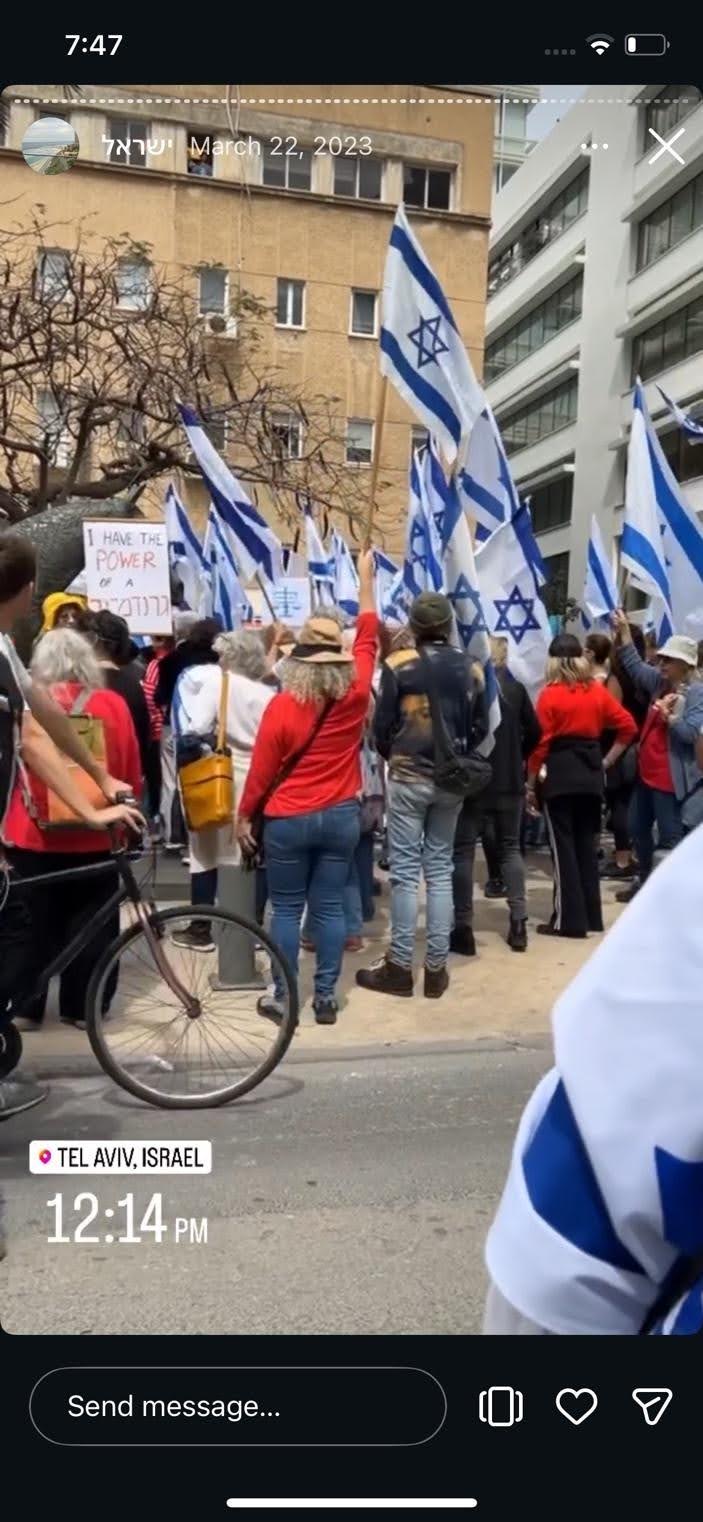
Not so coincidentally, Adamova’s profile also reveals her multiple visits to Occupied Palestine (Isr**l). She also has a story she posted less than a week after Oct. 7 sympathizing with the genocidal state and captioning it ‘Never Again.’ Her visits to these two settler colonies clearly indicate where such travel vloggers’ political affiliations lie.
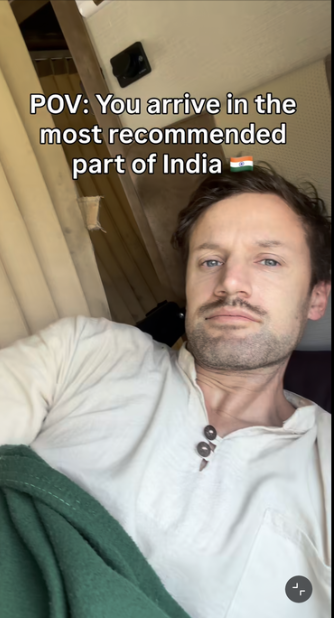
Former Too Hot to Handle star, Robert Van Tromp, also recently visited india and then Kashmir. His posts also lend to the narrative that Kashmiri belong to india, calling Kashmir ‘the most recommended part of india’ and stating that Kashmiri children playing cricket is a ‘raw indian experience.’ This repeated myth is an epistemic violence which seeks to change what it means to be Kashmiri and rewrite Kashmiris as indians.
However, it is also important to note that many foreign travel vloggers who visit Kashmir are motivated, at least in part, by the prospect of higher engagement, which can translate into greater sponsorship opportunities and brand deals. Some content creators may prioritize maximizing views over presenting the issue responsibly. For example, some deliberately label Kashmir as indian, knowing that it is likely to spark heated debates in the comments section. This controversy can increase engagement, boost the visibility of their content through platform algorithms, and ultimately benefit their online reach and revenue. Hurting Kashmiri sentiments, therefore, only becomes a marketing tactic to them.
In contrast, more ethically grounded forms of travel storytelling that center local Kashmiri voices and its historical context around Kashmir’s occupation often receive far less attention, or worse, are reported and pulled down by Meta.
Emirati content creator and influencer Khalid Al Ameri also recently traveled to Kashmir and documented his visit in a vlog. The video opens by highlighting headlines and reports describing Kashmir as one of the world’s most militarized regions. Al Ameri then states that he intends to investigate the validity of these claims for himself.
However, it quickly becomes apparent that the vlog is less concerned with critically examining the realities of the region and more focused on rehabilitating Kashmir’s image as a tourist destination. For exampe, one of the sites Al Ameri visits is Jamia Masjid, stating “it can accomodate 33,000 people on a regular day but during the big moments like Eid and Ramadan it can accomodate up to a 100,000 people.”
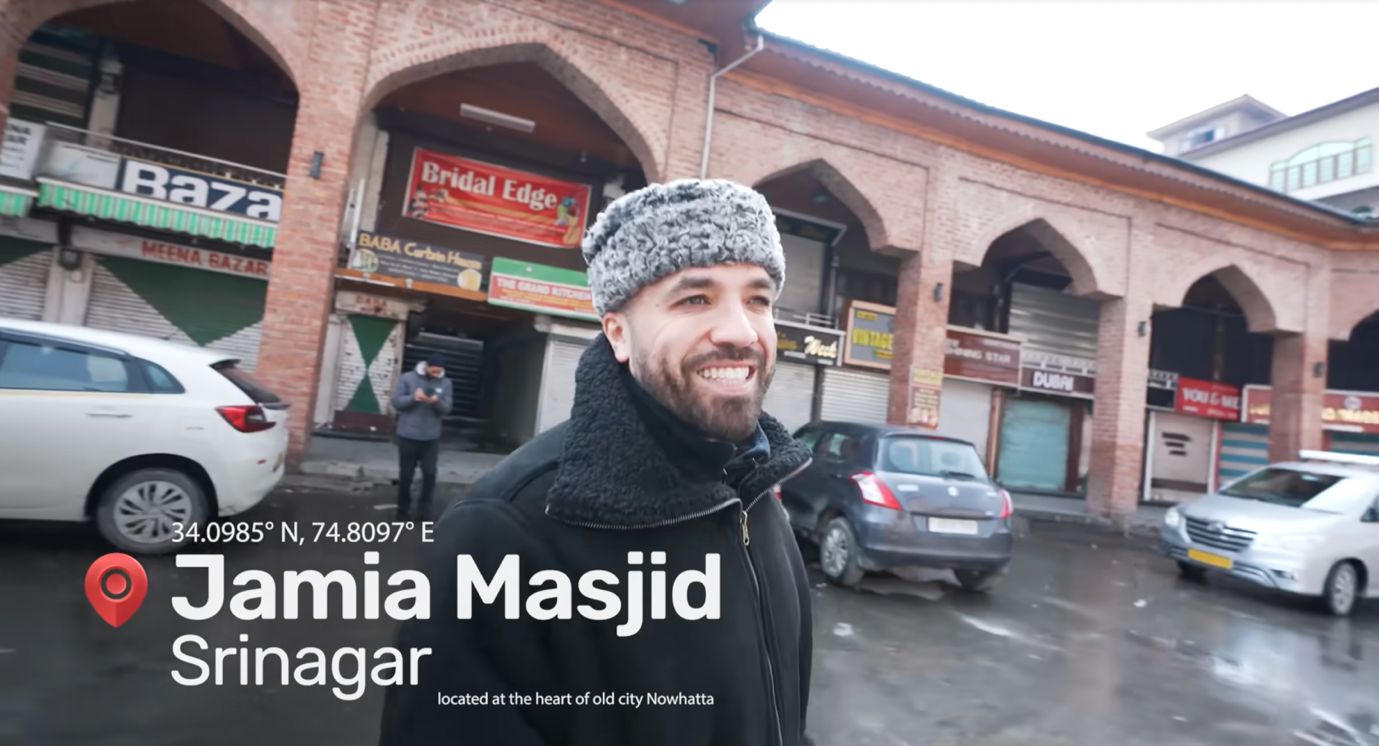
Source: Youtube/Khalid Al Ameri
However, what Al Ameri pointedly leaves out is that Kashmir’s Jamia Masjid has been barred from holding Eid prayers for eight consecutive years. And the mosque is frequently shut down for Friday and Ramadan prayers as well by the occupying regime.
Both Sho Takei and Khalid Al Ameri visited Pahalgam, the site of the 2025 Pahalgam incident, which was subsequently used to justify widespread arrests and killings in Kashmir under the banner of counterterrorism. In their content, both influencers present a highly selective account of Kashmir’s history, one that frames Kashmiri Muslims primarily through the lens of ‘terrorism’ rather than colonized peoples.
At the same time, both emphasize that the indian government has declared the region safe for tourism, reinforcing official narratives that encourage travel to Kashmir. Al Ameri’s vlog even cuts to a protest where protesters are chanting “tourism is our pride.”
Similarly, nearly all vloggers also bring up Kashmiri hospitability while failing to reflect on the fact that hospitality is not obligation, and the indian occupation makes Kashmiris feel obligated to entertain outsiders.
At the same time, a growing number of indian influencers have begun producing content that claims to reveal the “real Kashmir”—a Kashmir portrayed as unequivocally indian. For example, one influencer posted a video about “indian bread culture” while filming inside a Kashmiri bakery, subtly reinforcing the notion that Kashmiri culture is simply an extension of indian culture and that Kashmir naturally belongs to india.
At the same time, a growing number of indian influencers have begun producing content that claims to reveal the “real Kashmir”—a Kashmir portrayed as unequivocally indian. For example, one influencer posted a video about “indian bread culture” while filming inside a Kashmiri bakery, subtly reinforcing the notion that Kashmiri culture is simply an extension of indian culture and that Kashmir naturally belongs to india.
Underlying this narrative is the assumption that Kashmir’s value becomes legible only when validated by outsiders. Kashmiris themselves are positioned as incapable of fully appreciating, representing, or developing their own homeland, while outsiders, whether tourists, influencers, or state actors, are cast as the figures who can uncover its beauty and potential. In this way, travel content that appears apolitical can reproduce deeply colonial ideas about who has the authority to define a place and tell its story.
Additionally, with the upsurge of foreign influencer content, it is not only important to focus on what is being shown, but also what isn’t. None of the travel vlogs reveal the barracks, the checkpoints, the soldiers, the unemployment and the destruction of Kashmir’s biosphere. It is a story perpretuated by the indian colonial regime that aims to present Kashmir as normal, as a territory which is not constantly marred by colonial violence. To present Kashmir as normal is to obscure the real Kashmir: the one that can never be normal until the indian occupation seizes to be.
Ethical tourism is more than admiring beautiful landscapes and posting photos. It means asking difficult questions about the places we visit. Is your trip being enabled by the indian occupation regime? Are you benefiting from military infrastructure or accessing places denied to Kashmiris themselves? Is tourism disrupting local communities or the environment? And when you share your experience, are you amplifying a narrative that serves the occupier, or shedding light on the lived realities of Kashmiris under occupation?
Stay in touch with Stand with Kashmir.
Stand With Kashmir (SWK) is a Kashmiri-driven independent, transnational, grassroots movement committed to standing in solidarity with the people of indian-occupied Kashmir in ending the indian occupation of their homeland and supporting the right to self-determination of the pre-partition state of Jammu and Kashmir. We want to hear from you. If you have general inquiries, suggestions, or concerns, please email us at info@standwithkashmir.org.
Leave a Reply